Programming a chess engine is hard.
Testing it is even harder.
One needs to test the engine in various conditions so as to make sure that the algorithm properly recognizes patterns, applies the logic its creator has embedded in it, follows the chess principles that will allow the computer to win etc.
To that end, Chess960 is the way to go.
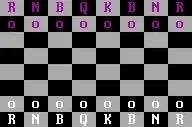
When testing your chess engine, you can have it play some Chess960 games. For those who are not familiar with the genre, in Chess960 the starting position is not the classical starting position but the pieces are randomly positioned (with the exception of the pawns which are in their usual place). There are 960 possible combinations to perform this re-arrangement, hence the name.

Such an arrangement offers unique advantages for testing a new chess engine.
Will the computer be clever enough not to start moving pieces in front of the king and expose him? Will the algorithm properly open diagonals for the bishops? What is the ‘center’ in such a position and where should the computer strive for more space? Where should the attack take place?
Of course all these things can be tested manually, however following the randomly generated positions of Chess960 offer a nice way of performing this test and potentially exposing weaknesses of the chess engine that you, as a creator, would have never thought of under normal chess conditions.
Needless to say that the Chess960 is very beneficial for the creator of a chess engine as well. Knowing how to apply chess principles on your own game is of paramount importance if you are to ‘teach’ those principles to the computer.
Go on now…
Have some fun!
 Chess Programming
Leave a comment